Counselling and Family Expectations for South Asian Couples & Newcomers

For many South Asian immigrants and first- or second-generation Canadians living in Surrey, Delta, Langley, and across Metro Vancouver, relationships do not exist in an individualistic vacuum. A marriage is rarely just a contract between two separate individuals; it is an enduring union between extended families, lineages, ancestral obligations, and deeply held cultural values.
While collectivist community structures provide extraordinary emotional warmth, reciprocal childcare, and generational resilience, they can also generate profound interpersonal stress when traditional expectations collide with contemporary Canadian realities. This article explores how culturally sensitive clinical counselling supports South Asian individuals, couples, and newcomers in establishing peace, marital intimacy, and healthy intergenerational boundaries without sacrificing cultural respect.
1. The Unique Psychological Pressures in South Asian Families
South Asian clients frequently carry an intricate blend of cultural, generational, and social pressures that standard individualistic therapy often misunderstands:
A. Joint & Extended Family Dynamics
Living in multi-generational households — or maintaining daily involvement with in-laws — brings tremendous practical support, but it can also blur marital boundaries. Newly married couples often struggle to establish autonomous decision-making around finances, parenting, career aspirations, and personal time while upholding traditional filial piety (respect for parents and elders).
B. The Weight of “Log Kya Kahenge” (What Will People Say?)
In close-knit diaspora communities, social reputation, community standing (izzat), and family honor are held with immense reverence. The fear of being judged, gossiped about, or bringing perceived shame upon parents often prevents individuals from expressing emotional vulnerability, seeking marriage guidance, or discussing mental health challenges openly.
C. Immigrant Sacrifice Debt
Second-generation South Asians often carry an unspoken psychological burden: the acute awareness of the sacrifices, physical labor, and career compromises their immigrant parents endured to build a life in Canada. While this fosters deep gratitude, it can also manifest as intense perfectionism, career guilt, and an inability to voice unhappiness or burnout for fear of sounding ungrateful.
D. Acculturation Gaps Between Generations
Parents raised in India, Pakistan, or other parts of South Asia view family, community, and marriage through a collectivist lens. Their Canadian-raised children are often socialized in Western school and work environments that champion individuality, direct confrontation, and self-actualization. This gap can leave both generations feeling fundamentally misunderstood and unappreciated.
2. Re-Imagining Boundaries: Respectful Alignment vs. Rejection
Mainstream Western self-help literature frequently advocates rigid, confrontational boundary setting: “Just cut off toxic family members” or “Put your individual needs first without compromise.”
For South Asian individuals and couples, this advice often feels unnatural, painful, and culturally alien. Severing family ties creates devastating isolation and intense guilt. In culturally attuned counselling, we work toward what we describe as permeable, compassionate boundaries:
- Distinguishing Privacy from Secrecy: Helping couples realize that keeping certain financial, marital, or emotional discussions between themselves is not disrespectful to parents — it is the natural foundation of a secure marriage.
- Speaking From Shared Values: Framing boundaries around mutual affection and long-term family harmony rather than defiance or rejection.
- Managing Emotional Enmeshment: Developing the capacity to care deeply for a parent’s feelings without taking personal responsibility for managing their emotional reactions to your adult life choices.
3. Support for Newcomers to Surrey & British Columbia
Immigrating to British Columbia as a skilled worker, international graduate, or family class newcomer brings disorientation alongside hope. Newcomers frequently navigate credential devaluation, loneliness, financial strain, and the absence of their extended village when raising young children.
Therapy provides a grounded space to process the ambiguous grief of immigration — mourning the familiar community, foods, friendships, and status left behind — while intentionally adapting to life in Canada.
4. The Power of Multilingual Care in English, Urdu, and Hindi
Language carries the soul of cultural experience. Certain emotional realities, idioms, and relational nuances cannot be neatly translated into English without losing their essence.
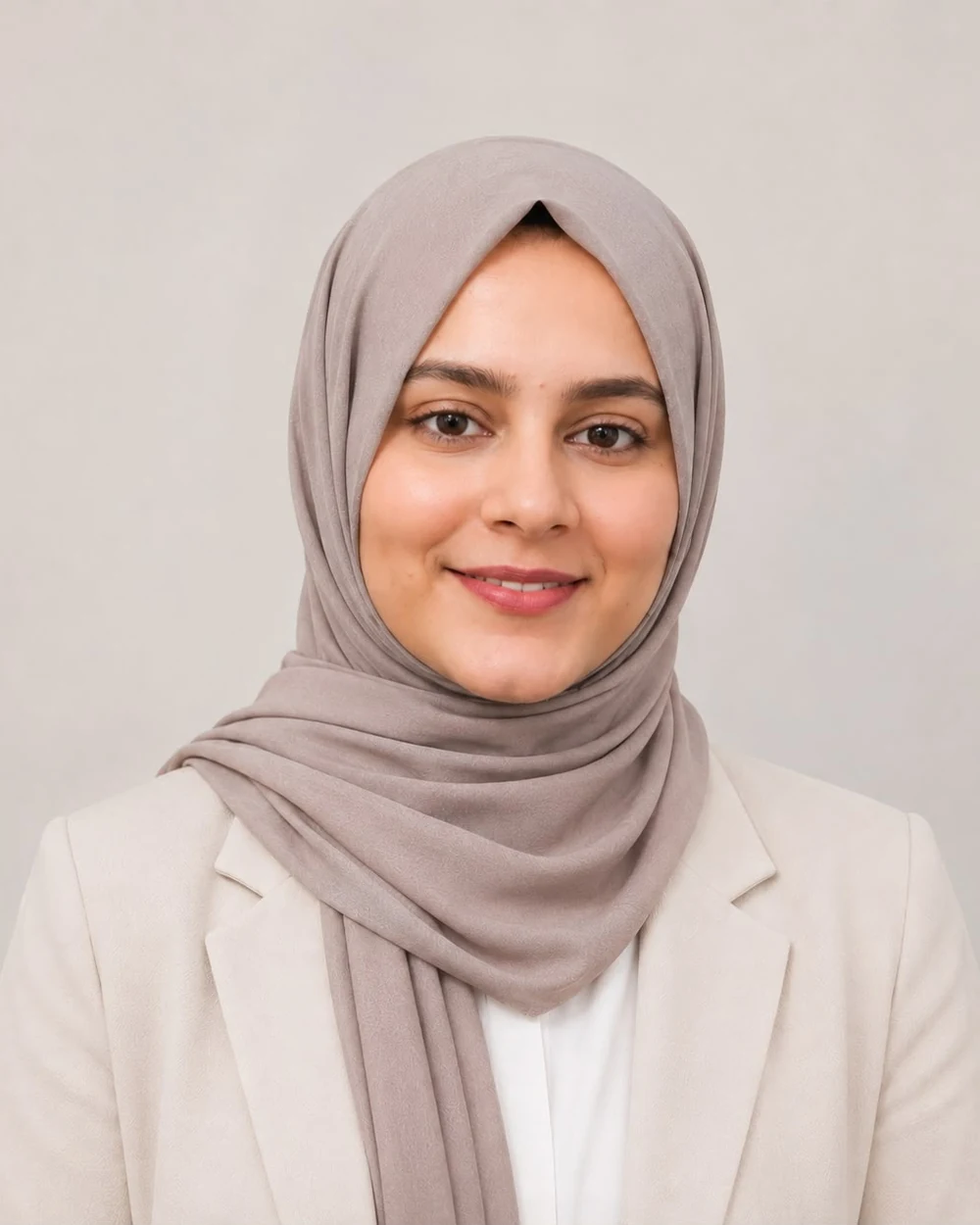
Rimsha Qureshi, MACP, RCC provides clinical counselling in fluent English, Urdu (اردو), and Hindi (हिन्दी). Having a therapist who natively understands the vocabulary of cultural expectations, filial responsibility, and diaspora realities means you spend your sessions focused on healing — not translating cultural context.
5. How to Access Culturally Attuned Care
Soothing Souls Counselling offers in-person appointments in Surrey (using private clinic rooms by arrangement) and secure virtual telehealth across all of British Columbia. Extended health benefits direct billing and ICBC direct billing are available for eligible claims.
Explore Working with Rimsha Qureshi, RCC
All therapy sessions are 100% virtual and open to residents across British Columbia. Book a free, no-obligation 15-minute phone or video consult to see if our clinical fit feels right.
Book Free 15-Minute ConsultationImmediate Crisis Support (24/7): If you are experiencing an acute mental health emergency or immediate thoughts of suicide, please call 911 or visit your nearest hospital emergency department.
- • Suicide Crisis Helpline: Call or text 988 (Call or Text)
- • BC Crisis Centre: Call 1-800-784-2433 (1-800-SUICIDE)
- • BC Mental Health Support Line: Call
Individual experiences with counselling vary and outcomes cannot be guaranteed.