Counselling for Newcomers & South Asian Families in Surrey BC
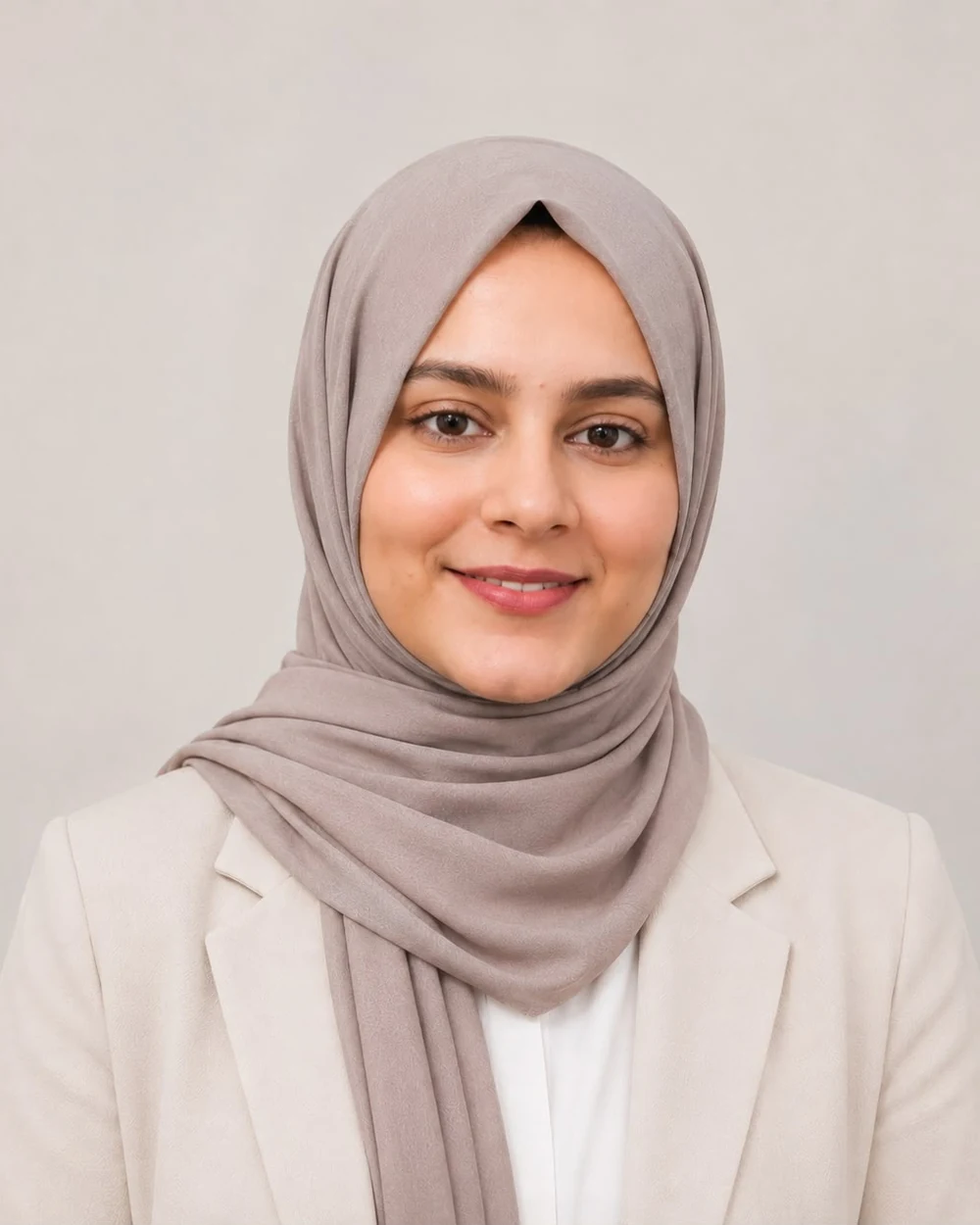

Surrey, Delta, and Greater Vancouver are home to vibrant South Asian diaspora communities. Yet for many newcomers, first-generation Canadian adults, and immigrant families, seeking professional mental health support can carry complex emotional weight. Between cultural stigma around therapy, the pressure to maintain family harmony, intergenerational divides, and the quiet grief of leaving home behind, finding a safe place to speak openly is rare. This article explores how culturally responsive clinical counselling helps individuals and families bridge these realities.
1. The Unique Emotional Landscape of Migration & Resettlement
Moving across the world to settle in Canada is often celebrated as an exciting achievement of opportunity. However, beneath the pride lies an unspoken, ambiguous grief that many newcomers carry:
- Loss of Built-In Social Safety Nets: In South Asian societies, daily life is embedded within extended families, neighbours, and community elders. Moving to Metro Vancouver frequently isolates families into nuclear units, placing immense domestic and emotional pressure on spouses and parents.
- Credential Devaluation & Identity Shift: Many educated professionals (doctors, engineers, professors, accountants) arrive in BC only to face systemic credential barriers, forcing them into survival employment. This sudden loss of professional identity often triggers profound depression, unspoken shame, and marital tension.
- The Dual Burden of Financial Pressure: Newcomers often navigate high Canadian housing and living costs in Surrey while simultaneously sending remittances back home or managing expectations from extended family abroad.
2. Intergenerational Tensions: Living Between Two Worlds
One of the most frequent reasons South Asian young adults and parents seek therapy is the emotional friction between traditional collectivist family values and North American individualistic culture:
- Guilt Around Boundaries: In collectivist cultures, family boundaries are fluid. Saying "no" to a parent, expressing an independent career or marital preference, or needing personal space is often interpreted as disrespect or betrayal. First-generation youth often struggle with intense chronic guilt for having individual desires.
- Parental Sacrifice as an Emotional Debt: Immigrant parents often sacrifice their own social status, careers, and comfort so their children can have better futures in Canada. Children internalize this sacrifice deeply, feeling they have no right to struggle with anxiety or burnout because their parents "had it so much harder."
- Arranged Marriages & Modern Relationship Expectations: Navigating the intersection of cultural matchmaking expectations, modern dating norms, and personal compatibility often generates severe anxiety and family conflict.
3. Breaking Through the Stigma: "Log Kya Kahenge?" (What Will People Say?)
In many South Asian communities, emotional distress is historically viewed as a failure of character, a lack of spiritual faith, or a shameful secret that could damage the family's reputation in the community (izzat). Consequently:
- Struggles are often somatized: emotional pain manifests as chronic physical fatigue, migraines, unexplained stomach pain, or chest tightness.
- Individuals delay seeking help until relationships reach a crisis point or panic attacks become completely debilitating.
Culturally responsive therapy does not ask you to reject your heritage or abandon your family. Instead, it creates an unhurried, respectful space where you can honor your cultural roots while learning to care for your own nervous system and establish healthy personal boundaries.
4. The Power of Speaking Your Mother Tongue: English, Urdu & Hindi
Language is more than vocabulary—it carries the emotional memories, idioms, and cultural worldview of your childhood. When discussing deep family conflict, childhood memories, or subtle relational feelings, translating your thoughts into English can create an emotional detachment:
At Soothing Souls Counselling, Rimsha Qureshi provides therapy fluently in English, Urdu (اردو), and Hindi (हिन्दी). You can switch effortlessly between languages in the room. You never have to spend precious session time explaining what joint family dynamics mean, what family expectations feel like, or why community reputation matters.
5. How Culturally Responsive Therapy Unfolds
Our clinical work with South Asian individuals, couples, and newcomers focuses on:
- De-Shaming Emotional Distress: Normalizing that anxiety and exhaustion are natural biological responses to overwhelming pressure, not personal weaknesses.
- Untangling Guilt vs. Responsibility: Helping you distinguish between loving and respecting your family versus sacrificing your mental health to satisfy unrealistic demands.
- Equipping with Grounding Skills: Teaching concrete cognitive and somatic nervous system regulation tools to ease racing thoughts and physical tension.
- Culturally Safe Couple & Family Dialogue: Facilitating sensitive communication between partners and family members that fosters empathy without blame.
Moving Forward with Compassion
You do not have to carry the weight of two worlds alone. Seeking counselling is an act of deep courage and care for yourself and future generations. To begin a confidential, respectful conversation in Surrey or virtually across BC, we invite you to book a complimentary 15-minute consultation.
Community & Cultural Resources in BC:
- DIVERSEcity Community Resources Society (Surrey): dcrs.ca
- South Asian Mental Health Alliance (SAMHAA): samhaa.org
- BC Association of Clinical Counsellors (BCACC): bcacc.ca
Explore Working with Rimsha Qureshi, RCC
All therapy sessions are 100% virtual and open to residents across British Columbia. Book a free, no-obligation 15-minute phone or video consult to see if our clinical fit feels right.
Book Free 15-Minute ConsultationImmediate Crisis Support (24/7): If you are experiencing an acute mental health emergency or immediate thoughts of suicide, please call 911 or visit your nearest hospital emergency department.
- • Suicide Crisis Helpline: Call or text 988 (Call or Text)
- • BC Crisis Centre: Call 1-800-784-2433 (1-800-SUICIDE)
- • BC Mental Health Support Line: Call
Individual experiences with counselling vary and outcomes cannot be guaranteed.